

Mastering the Art of Houseplant Care
Indoor plants are much more than just decorative items; they bring life, color, and even air purification to our homes. However, many plant enthusiasts struggle with keeping their green friends alive and thriving. Understanding the basics of plant care could transform a struggling plant into healthy and happy one. In this indoor plant care guide, we will explore essential aspects of houseplant care, including watering, light requirements, potting, and troubleshooting common issues.
Understanding Your Plant’s Needs
There is, of course, no such thing as a houseplant rather they are wild plants, or hybrids and cultivars with wild relatives. Every plant has its own set of needs because it, or its wild relatives, are finely adapted to a specific environment in terms of water, light, and nutrients. This is why our plants come with their own detailed care guide informed by their origins. Before you choose a plant home consider whether you can provide the plant you desire conditions which are close enough to the ones it enjoyed in its home environment. If you are not sure get in touch. We are always happy to help.
It's crucial, for example, to understand the difference between drought-tolerant plants and those that require consistent moisture. A well-informed choice can save you time and heartache down the line.

Statistics indicate that more than 60% of new plant parents make watering mistakes. Overwatering is the leading cause of houseplant death, while underwatering can stunt growth. Testing the soil moisture by sticking your finger an inch deep into the pot can help determine if it's time to water. Overall, understanding your plant's needs is the first step towards thriving houseplants.
Indoor Plant Care Guide: Watering Wisely
Proper watering is among the most crucial aspects of indoor plant care. Too much or too little water can be detrimental. Here are some tips to keep your plants hydrated without the risk of waterlogging:
Check Soil Moisture: Always assess your plant before you water it. The test to determine when they require watering will be different depending on the plant. Hoyas, for example, like to dry out completely whilst Begonias need to be kept moist but not damp so require watering when the top 2 cm has dried out.
Establish a Watering Regime: Different plants require different watering frequencies which are affected both by their specific needs as well as changes in light, temperature and humidity in environment around them. We find it best to assess all your plants once every two weeks. Although many of your plants will need nothing from you.
When you Water a plant WATER it: The term 'over watering' refers to watering too frequently or letting your plant stand in drainage water not the amount of water you use. So when you water a plant water it thoroughly making sure that the whole root ball is saturated.
Never Leave your Plant Standing in Water: A common mistake is to water your plants in their cover pots. This often means that the plant is left standing in water. The impact of this is to make an aerobic medium (one that contains oxygen) into an Anaerobic one. This attracts bateria and fungi which will undermine, and eventually kill, your plants.
Use room-temperature water; cold water can shock the plant. Rain water is ideal if you can collect it but if you are using tap water leave it standing over night.

By balancing water delivery with how fast the soil dries out, you create an optimal environment for your plants. Keep a watering diary if needed, to track each plant's unique preferences.
Light Requirements
Light is another fundamental requirement for healthy houseplants. Plants use light for photosynthesis, which helps them grow. Here’s how to assess and provide the right lighting for your plants:
Type of Light: Most houseplants thrive in bright, indirect sunlight. However, some need low light, while others may need direct sunlight.
Location: Position your plants to harness the natural light available. If you have a south-facing window, it’s perfect for sun-loving plants.
Supplemental Light: If natural light isn't sufficient, consider using grow lights. These can mimic sunlight and improve growth rates, especially in dim apartments.
Rotate Plants: Every few weeks, rotate your plants to ensure all sides receive equal light. This helps prevent uneven growth.

Keeping an eye on light requirements is essential. If your plant’s leaves start to yellow or drop, it might be a sign it's not getting the right amount of light.
Potting and Soil
Selecting the right pot and soil can significantly impact your plant’s health. Consider the following:
Pot Size: Ensure the pot is an appropriate size. Too large, and the soil will retain too much moisture; too small, and the roots may become cramped.
Soil Type: Use a well-draining potting mix suitable for your specific type of plant. Cactus soil is perfect for succulents, while peat-based mixes benefit tropical plants.
Repotting: Repot your plants every 1-2 years to refresh the soil and provide room for growth. Look for signs of root overcrowding, such as roots growing out of the drainage holes.
Fertilization: During the growing season, plants may need fertilization for extra nutrients. Use a balanced, water-soluble fertilizer every month for plants that require it.
Houseplant care can seem daunting, but potting and soil management often play a significant role in a plant’s health trajectory.
Troubleshooting Common Problems
Even the most experienced plant parents face challenges. Here are some common issues and solutions:
Yellowing Leaves: This could indicate overwatering, underfeeding, or insufficient light. Assess your plant’s care routine to identify the cause.
Wilting Leaves: Either a sign of underwatering or a result of root rot. Check soil moisture levels and drainage.
Pests: If you spot tiny bugs or webs, your plant might have pests. Neem oil or insecticidal soap can help manage these unwanted guests. We will be writing more specific advice about types of insects and the remedy for them at a later date.
Fungal Issues: Mold or mildew can form in overly humid conditions. Improve airflow and reduce watering frequency.
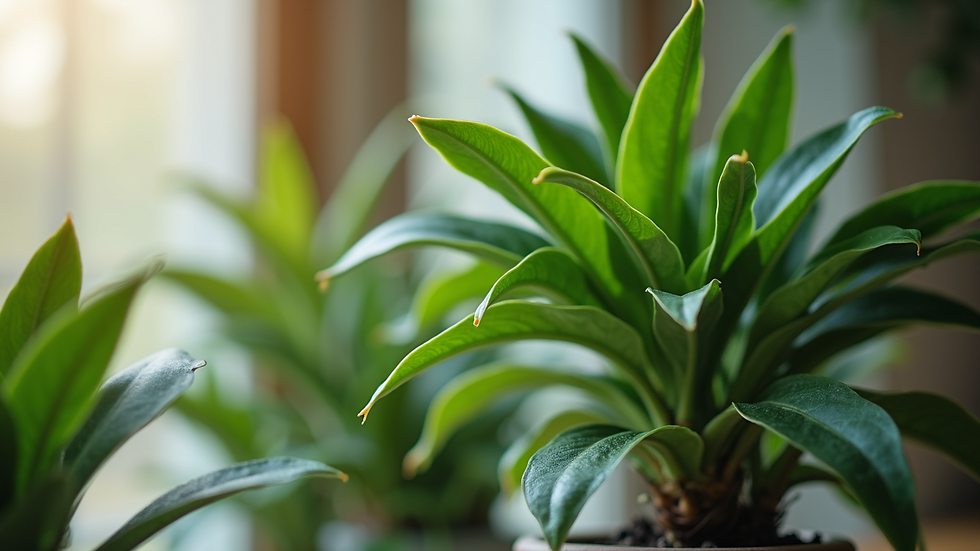
Facing plant problems can be disheartening but addressing issues promptly can revive the plant and help retain your motivation in indoor gardening.
Cultivating a Love for Houseplants
There is a difference between having a couple of houseplants and creating an indoor garden. Developing a successful indoor plant care routine takes time, commitment, and a willingness to learn. But it is a rewarding journey through which you will gain much more respect and dare we say it love for your plants as you watch them flourish.
The houseplants care guide can provide more advice to enhance your indoor plant journey. Cherish the bond you build with your plants, and remember that every mistake is a stepping stone to growth. Your once-struggling indoor plants can become a flourishing testament to your efforts.
In summary, mastering the art of houseplant care involves understanding your plants' needs, ensuring correct watering and lighting, and adapting your care practices over time. With a bit of practice and patience, anyone can create a vibrant indoor oasis.


Comments